How to Know How Much Light to Give Your Plant
A Complete Guide for Beginners and Enthusiasts
When it comes to growing healthy houseplants, light is one of the most critical factors to get right. Whether you’re a beginner or a seasoned plant enthusiast, understanding your plant’s light needs is key to helping it thrive. Since we specialize in tropical and rare houseplants, it’s especially important to know that different plants have unique light requirements—what works for one may harm another.
In this guide, we’ll break down how to determine exactly how much light your plants need, how to diagnose if they’re receiving too much or too little light, and the nuances between low, medium, and bright light environments.

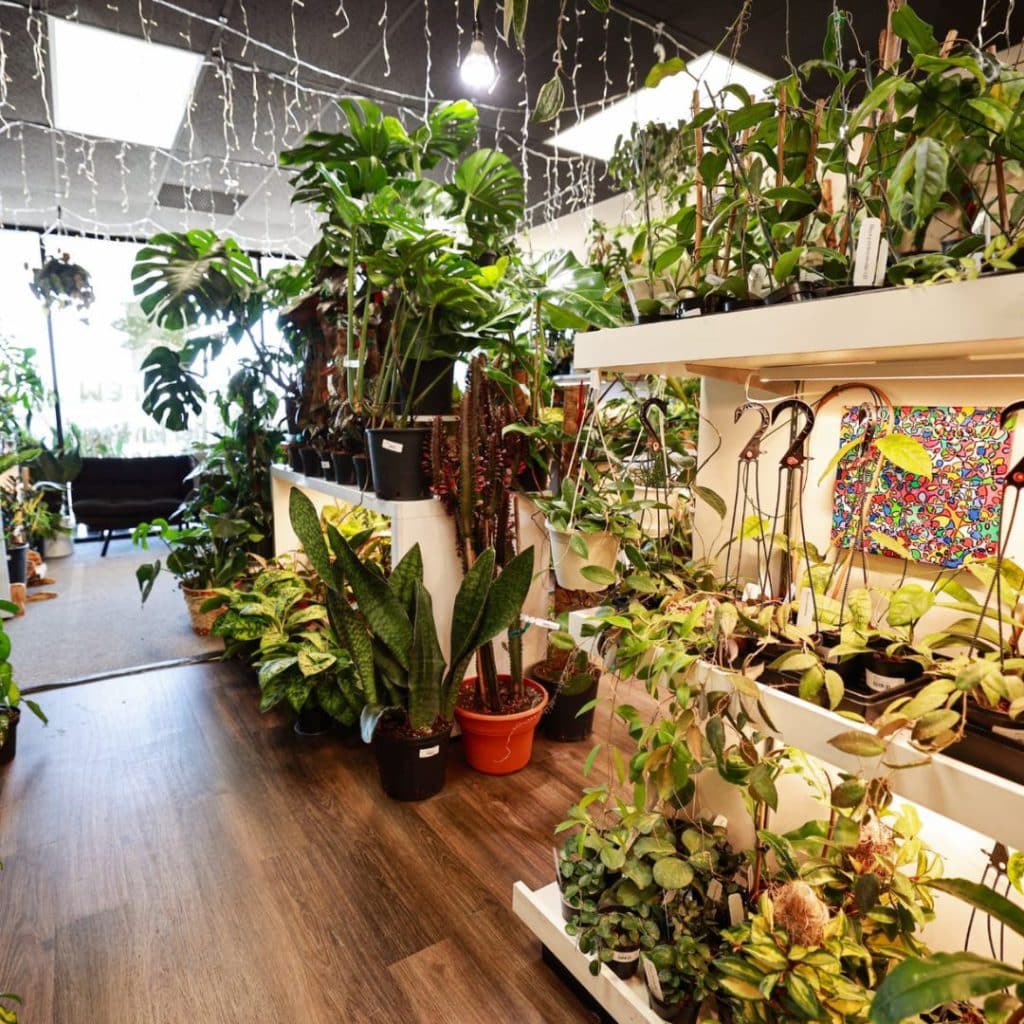
Understanding Light Requirements for Tropical and Rare Plants
Tropical and rare houseplants often come from unique environments where they receive filtered sunlight under the canopy of trees or even thrive in partial shade. For this reason, many rare houseplants don’t tolerate direct sun well, while others—especially those from bright tropical areas—will need plenty of sunlight to grow. Let’s take a closer look at the three main categories of light.
01
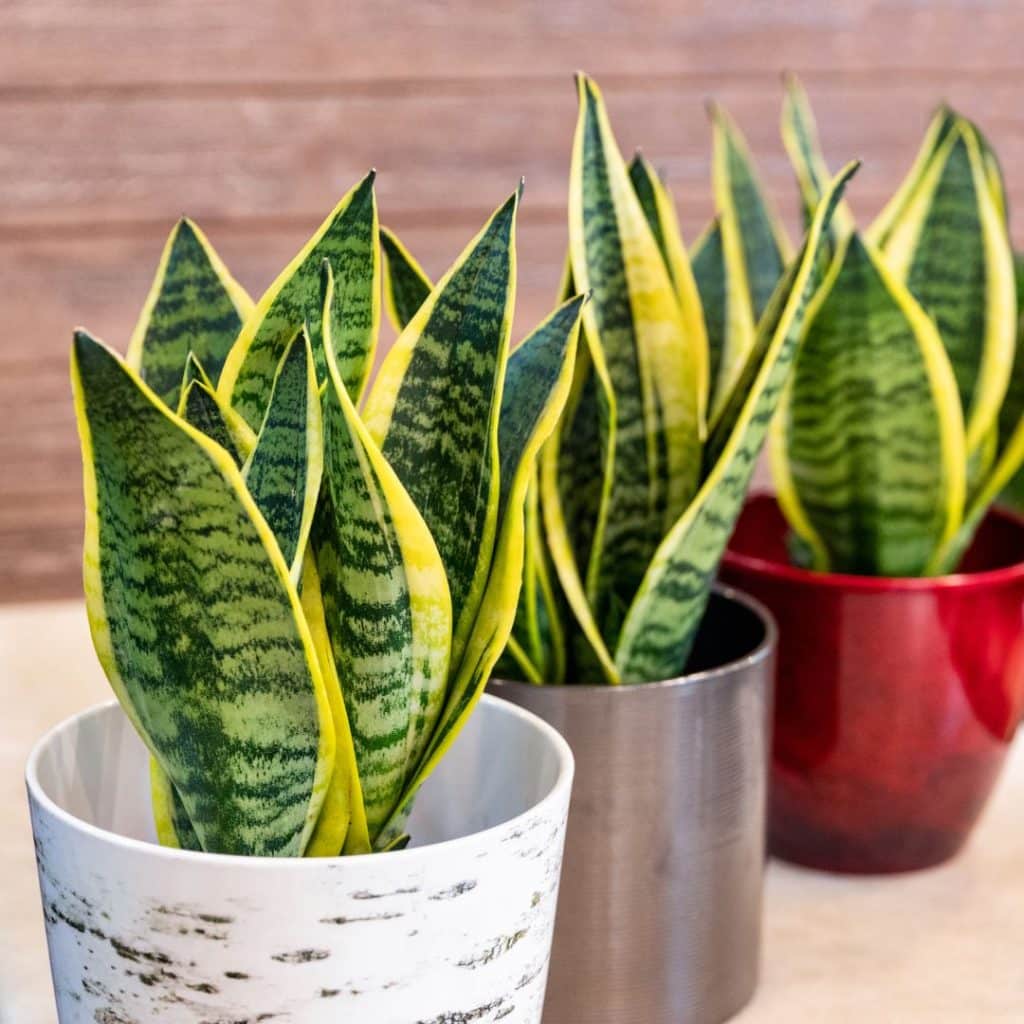
Low Light
Some plants can adapt to low-light conditions, meaning they don’t need much direct sunlight to thrive. For these plants, bright indirect light is enough. However, “low light” doesn’t mean “no light”—these plants still need a steady source of filtered light to photosynthesize effectively. Examples of plants that tolerate low light include:
- ZZ Plants
- Snake Plants
- Monstera Adansonii (in shaded environments)
Best spot in your home: These plants do well in rooms that are north-facing, have sheer curtains, or are placed several feet away from bright windows.
02
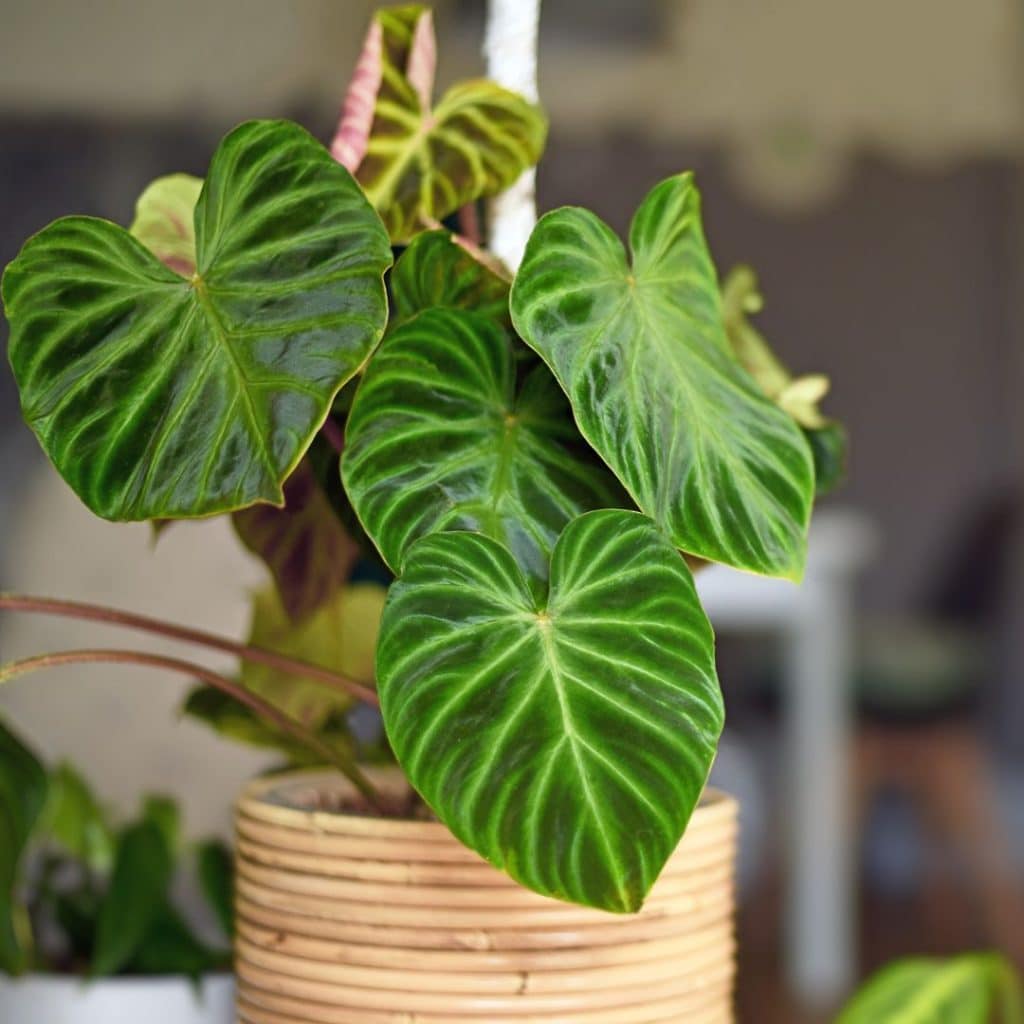
Medium Light
Plants that prefer medium light thrive in bright, indirect sunlight but can tolerate occasional direct morning light. This is often the sweet spot for tropical houseplants. These plants need more light than low-light plants but can become damaged by strong, direct sunlight. Some examples include:
- Philodendron varieties
- Pothos
- Alocasia
Best spot in your home: Place these plants near east-facing windows, where they’ll receive soft morning sunlight, or near windows that have sheer curtains.
03
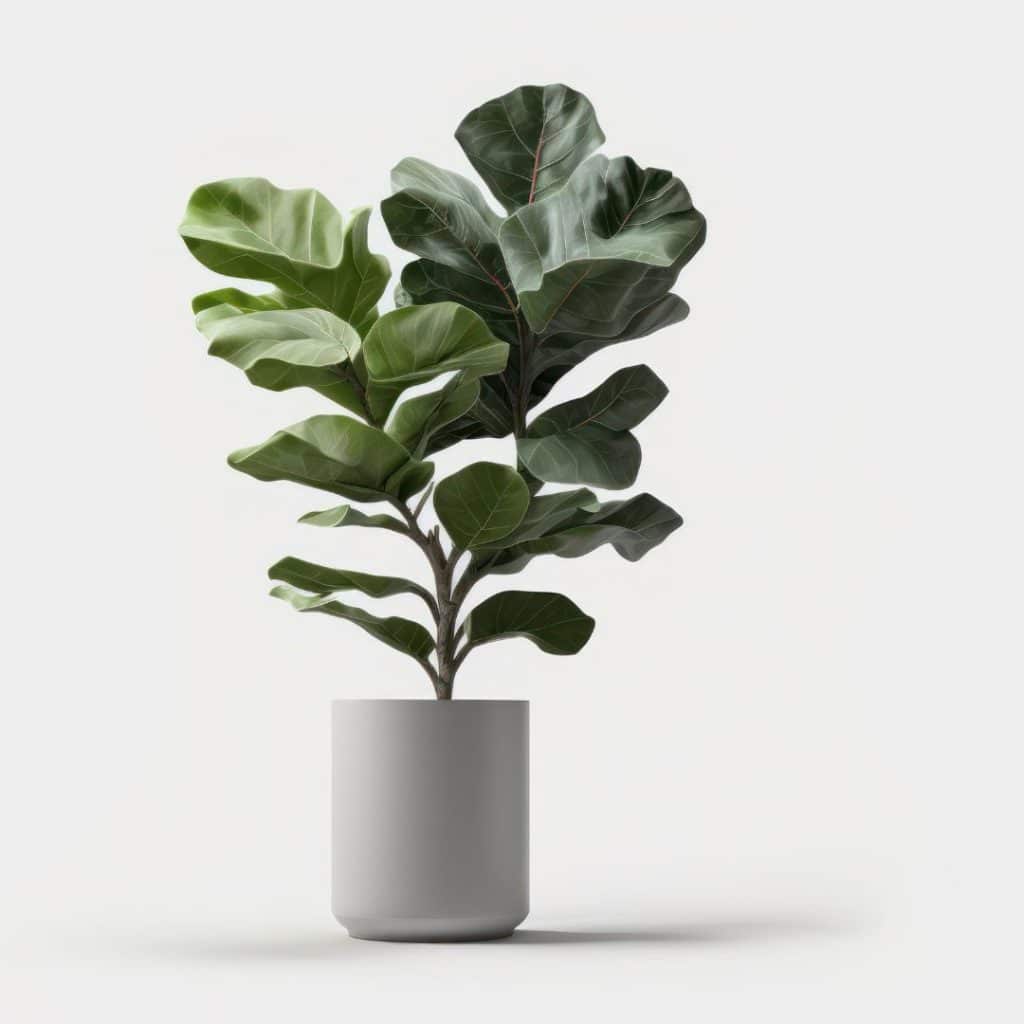
Bright Light
Bright light plants, especially rare species from tropical regions, often require intense, direct sunlight to maintain their color, growth, and overall health. However, even plants that love light may not tolerate the scorching afternoon sun through a window, which can cause leaf burn. Some rare tropical plants needing brighter conditions include:
- Fiddle Leaf Fig
- Bird of Paradise
- Anthurium Clarinervium (for vibrant growth)
Best spot in your home: Place these plants near south-facing windows, where they can get ample indirect light throughout the day or a few hours of direct morning or afternoon sunlight.
Wondering If Your Plant Is Getting the Right Amount of Light?
Now that you know the general light requirements for different types of plants, it’s important to learn how to diagnose whether your plant is getting too much or too little light. Plants communicate through their leaves, growth patterns, and overall appearance, so being observant is key.
Signs Your Plant Is Getting
Too Little Light
Slow or Leggy Growth: If your plant starts to stretch out, developing long stems between leaves, it’s trying to reach for more light. This is common in low-light situations where a plant struggles to photosynthesize efficiently.
Small or Pale Leaves: Leaves may start to lose their vibrant color and appear smaller or paler than usual.
Yellowing Leaves: While this can be due to overwatering or other issues, lack of light can also cause leaves to yellow and drop.
Soil Staying Damp: Without enough light, plants struggle to use the water provided, leading to soggy soil, which can invite root rot.
What to do: Move the plant closer to a window or try placing it in a brighter spot where it can get more light. You can also rotate the plant regularly to ensure it gets even exposure.
Signs Your Plant Is Getting
Too Much Light
Leaf Burn: Scorched patches or browning tips are signs that your plant is getting too much direct sunlight. This is common in plants that prefer indirect light but are exposed to harsh rays.
Faded or Bleached Leaves: If the leaves lose their deep green color and appear washed out, the plant is likely receiving too much light.
Dry, Crispy Edges: If the edges of your plant’s leaves are turning dry and crisp, it’s a clear sign that the sun is too strong.
Wilting Despite Regular Watering: If your plant appears limp or droopy even though it’s watered, excessive light could be causing it to lose moisture too quickly.
What to do: Move the plant further away from the light source or use sheer curtains to filter the sunlight. You can also consider placing it in a spot that receives bright, indirect light instead of direct exposure.
How to
Measure and Adjust
Light in Your Home
There are several ways to ensure your plant is receiving the right amount of light. If you have any questions, please feel free to contact us using the form below!
1. Observe Your Plant: Watch how your plant responds to its current environment. Adjustments in positioning can make a big difference in its health.
2. Use a Light Meter: If you want a precise way to measure light levels, a light meter can help you understand the exact amount of light hitting your plants. Many plant enthusiasts use these tools to ensure their rare or finicky plants are in the right conditions.
3. Rotate Your Plants: Plants naturally grow toward light, so rotate them every few weeks to ensure all sides receive even exposure. This also prevents lopsided growth, especially in bright light conditions.
4. Supplement with Grow Lights: For homes with limited natural light, grow lights can be a lifesaver, especially for plants that need medium or bright light. LED grow lights are energy-efficient and can mimic the natural light spectrum, helping your plants thrive even in dark spaces.
Final Thoughts
Light is essential for your plant’s health, but getting the balance right can take time, especially with tropical and rare plants that have specific needs. By observing how your plants react to their environment and making small adjustments, you can help them flourish. Remember, every plant has its own unique personality, and while light is critical, it’s only part of the puzzle. Regular care, attention to watering, and knowing your plant’s specific requirements will set you up for success.
Whether you’re just starting out or you’re a rare plant collector, our store offers a variety of plants that thrive in different lighting conditions. Feel free to ask our experts for advice on the best plants for your space and how to care for them. Happy growing!
Do You Have Questions?
We have answers – fill out the form below to contact us!